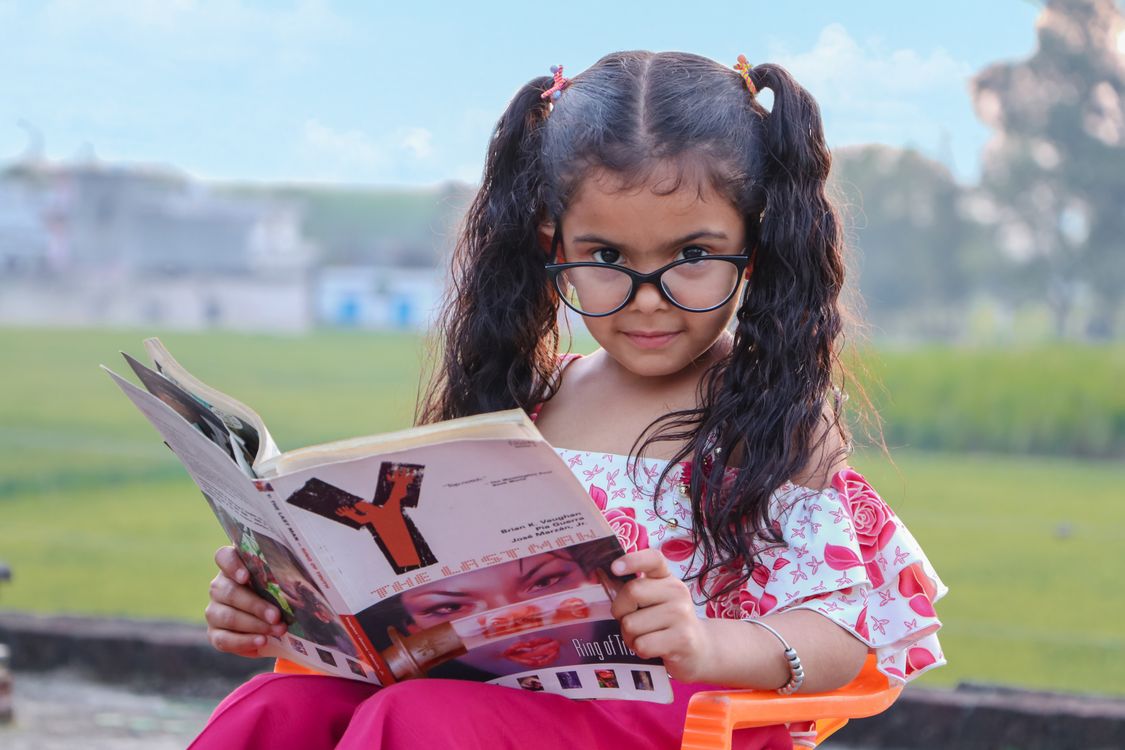
Does your child ever see themselves in a book?
Leaf through the picture books in your home and look at the main characters. How often is there a child with curls like your child’s, with glasses, in a wheelchair, or with the same skin tone? For many children the answer is: almost never. They see plenty of stories, but rarely themselves in a book. In this article you will learn why that matters, how skewed the picture in children’s books actually is, and what you can do about it, without reducing your child to a single feature.
Mirrors and windows
The American education researcher Rudine Sims Bishop introduced an image in 1990 that is still widely used. Books, she said, are sometimes a window: you look at a life different from your own. And sometimes they are a mirror: you see yourself reflected in them.
Children need both. Windows teach them about the world and help them imagine someone else’s life. Mirrors confirm that their own life is worth telling stories about. A child who always gets windows and never a mirror takes away a subtle message: stories are about other people, not about me.
How skewed is the picture?
The numbers confirm that feeling. The Cooperative Children’s Book Center (CCBC) at the University of Wisconsin counts each year who the main characters are in newly published children’s books. Year after year, a large share of those main characters are white or animals, while children of colour are underrepresented relative to their share of the population. Characters with a disability, such as a child in a wheelchair or with a hearing aid, make up only a small minority. You can read the annual counts at the CCBC.
Why a mirror matters
Seeing that children like you exist in stories sounds small, but it contributes to a sense of belonging. It confirms that your hair, your skin, your glasses or your way of moving are normal and worth telling about. For children who already notice in everyday life that they are “different”, that confirmation is especially valuable.
The trap: do not reduce your child to one feature
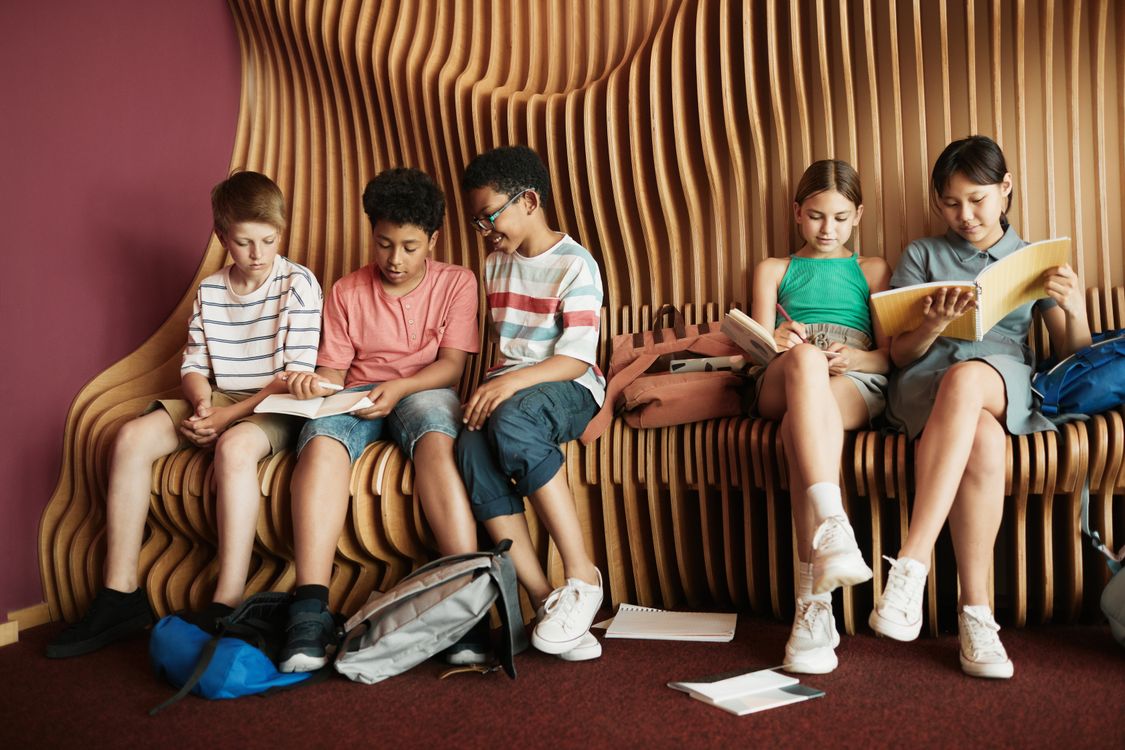
There is an important nuance here. A mirror works best when the child is simply the hero of a fun adventure, and not when the book becomes a lesson about “the girl with the glasses” or “the boy in the wheelchair”. A child is a whole person, not a feature.
Books that make a disability or appearance the entire subject can backfire: they put the difference in the spotlight instead of letting it simply be. The strongest representation is often the most casual, in which a child with curls or a wheelchair simply joins in, romps about and plays the lead.
Not only personalisation
Personalisation is one route, but not the only one. Deliberately seek out picture books with diverse main characters, and authors and illustrators from different backgrounds. Ask at the library or bookshop specifically for titles with broad representation. A varied bookshelf does just as much as that one book in which your child sees themselves.
A story in which your child is simply your child
A personalised book starts with your own child. The main character therefore naturally has your child’s hair, their skin tone, and the glasses they wear, not as a theme, but simply because it is your child. The story is an adventure, not a lesson about being different.
To be honest about what such a book does and does not do: it mainly captures how a child looks. If your child has specific features you want to see reflected, describe them clearly, and pair the book with diverse picture books from the shop or library. If you would like to read more about how recognition works, see how a child recognises their own name and how children learn through stories in which they see themselves. A personalised children’s book with your child in the lead is a mirror that comes about by itself.
In summary
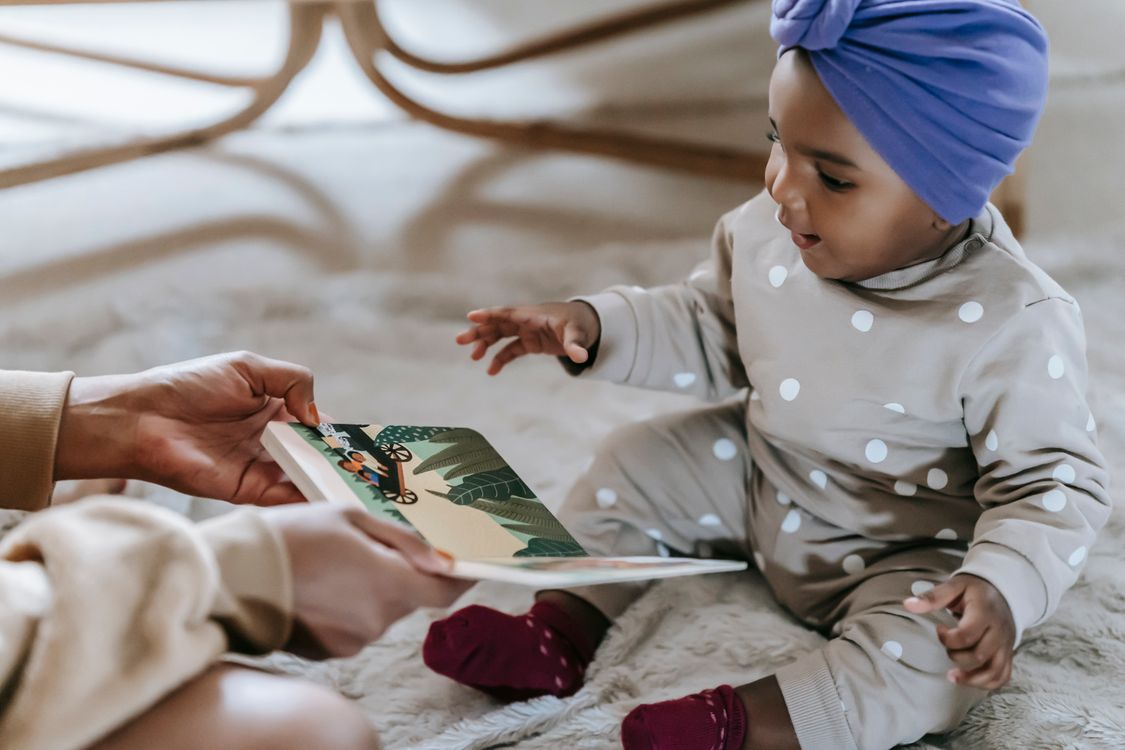
Children need both windows and mirrors: stories about others, and stories in which they recognise themselves. The range of children’s books is still skewed in that respect, especially for children of colour and children with a disability. You can put it right with a deliberately chosen, diverse bookshelf, and with stories in which your child is simply your child, joining in and playing the lead. Not as a lesson, but as an adventure.
Sources
- Bishop, R. S. (1990). Mirrors, Windows, and Sliding Glass Doors. Perspectives: Choosing and Using Books for the Classroom, 6(3).
- Cooperative Children’s Book Center (CCBC), University of Wisconsin-Madison. Diversity statistics: annual counts of representation in children’s books.