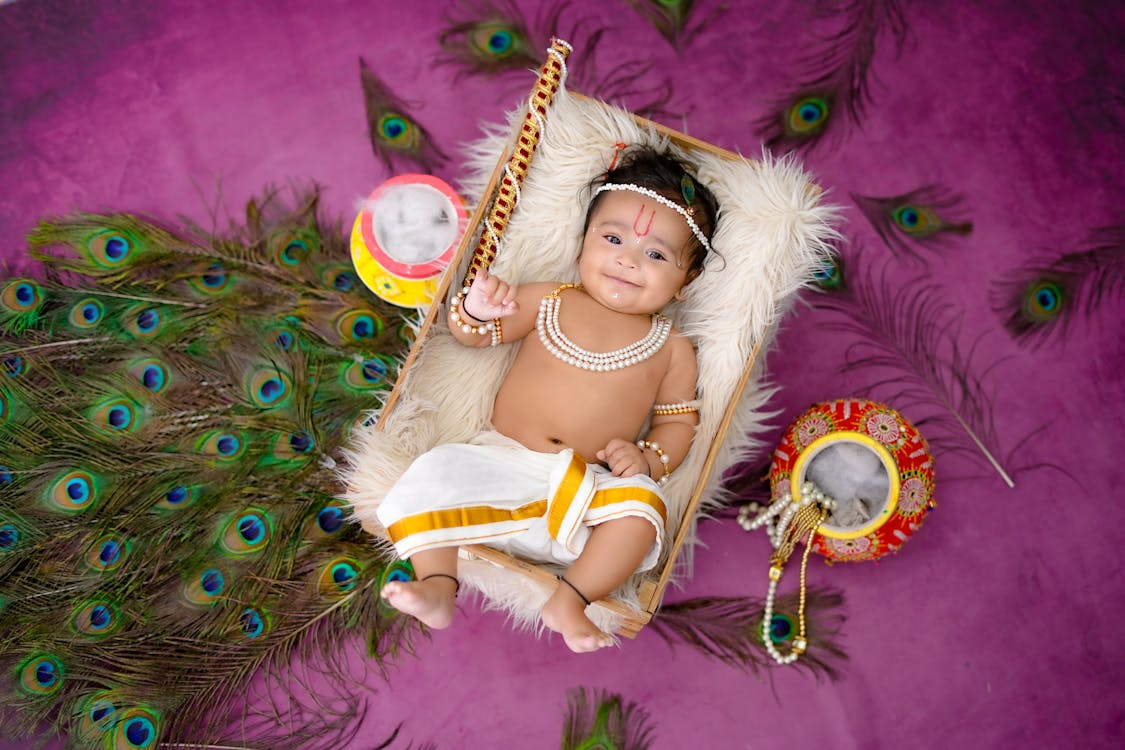
Namkaran: Celebrating Your Baby's Name and Story
In Hindu tradition, few moments are as tender as the day a baby is given their name. The Namkaran ceremony, the eleventh sanskara of the sixteen sacred rites in a Hindu life, is when a newborn is officially welcomed into the family and the world with a name chosen with love, intention, and often deep astrological meaning.
For families in India and across the diaspora, Namkaran is more than a ritual. It is a quiet promise: that this child has a place, an identity, and a story already beginning to unfold.
What is Namkaran?
Namkaran (from the Sanskrit nama meaning “name” and karana meaning “to make”) is the formal naming ceremony performed soon after a child’s birth. The tradition appears in the ancient Grihya Sutras and has been observed for thousands of years across Hindu communities, with regional variations from Maharashtra to Tamil Nadu, from Bengal to Punjab.
It is a moment when the family gathers, prayers are offered, and the chosen name is spoken aloud, often whispered into the baby’s right ear by the father or grandfather. The whisper is symbolic: the first time the child will hear the sound that will follow them through life.
When is the ceremony held?
The timing varies by family tradition and region.
The eleventh day after birth is the most common date, especially in North India. The mother and baby have completed their post-birth confinement, and the family is ready to celebrate.
In some communities, the ceremony is held on the twelfth day, the sixteenth day, or even the day of the first month. South Indian families often perform Namkaran together with the Cradle Ceremony (Naamkaran or Punyahavachanam), where the baby is placed in a decorated cradle for the first time.
Some families consult a priest or astrologer for an auspicious muhurta, a precise time aligned with the baby’s nakshatra (birth star).
How a name is chosen
Choosing a name in Hindu tradition is an art. There are several approaches, often blended:
- By the nakshatra. The baby’s birth star determines the syllable the name should begin with. A child born under Rohini, for example, may receive a name starting with O, Va, Vi, or Vu.
- After a deity. Names like Krishna, Lakshmi, Ganesh, or Saraswati invite the blessing of the divine.
- A family name. Carrying forward a beloved grandparent’s name is a way of honouring lineage.
- A meaningful Sanskrit word. Aarav (peaceful), Diya (light), Aanya (boundless), Veer (brave) — names that paint the parents’ hopes for the child.
- A modern blend. Many families today choose names that honour tradition while feeling fresh and global.
Often, two names are given: the Naamkaran name used at home and in family records, and a public name. Both reflect different facets of the child’s identity.
What happens at the ceremony
A traditional Namkaran follows a gentle sequence:
- Purification. The home and the baby are blessed with sacred water and offerings to the agni (fire) deity.
- Havan. A small fire ritual is performed, with mantras invoking blessings for the child’s health, wisdom, and long life.
- The naming. The chosen name is whispered into the baby’s right ear, four times, by a senior family member.
- Public announcement. The name is shared with the gathered family and friends.
- Blessings and gifts. Elders bless the child with rice, flowers, and small tokens. Sweets are distributed.
The ceremony is intimate — usually held at home — but rich with meaning. Photos, family videos, and shared meals turn it into a memory the family will return to for decades.
A modern Namkaran
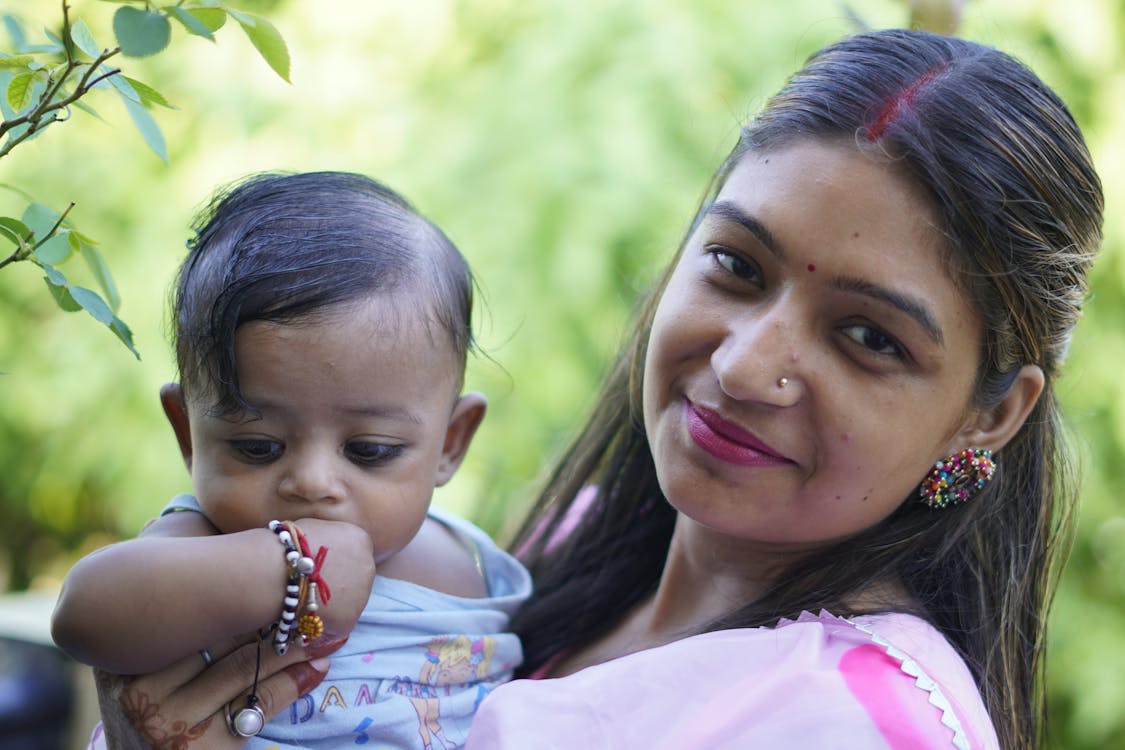
Families today often weave the old and the new. A traditional havan in the morning, followed by a relaxed lunch with friends. A short ceremony hosted on video call so grandparents in India can join from London or Toronto. Hand-printed invitations with a Sanskrit verse, but ordered online.
What stays the same is the heart of it: the moment a name is given. The whisper. The way an entire family pauses, just for that breath, to welcome a new soul.
A meaningful gift idea
If you are attending a Namkaran or want to honour a friend’s new baby, the most cherished gifts are often the most personal. Anything that holds the child’s name carefully — a silver bowl engraved with their name, a hand-embroidered pillow, a piece of jewellery passed through the generations.
A personalized children’s book is a beautiful modern addition. A book where the child is the hero of their own story, where their name is the first word on the page, captures exactly what Namkaran is about: this child, this name, this story.
It becomes the first book of their life. Read at bedtime, kept on the shelf, opened years later by the child themselves to see their name as a four-year-old saw it. A keepsake that grows with them.
Bringing it together
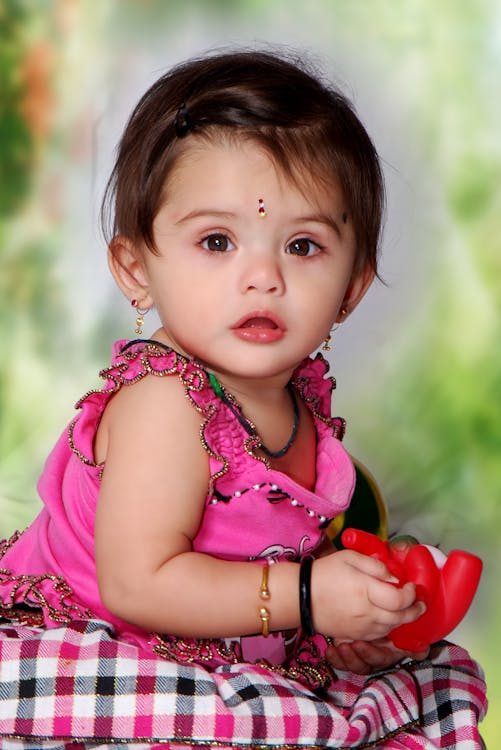
Namkaran is one of those quiet, profound traditions that reminds us what matters. A name is more than a word. It is the doorway through which a child enters their family, their culture, their future.
Whether you celebrate with a full traditional havan or with a small gathering of close family, the meaning is the same: a child has arrived, and we name them with love.
If you want to give a Namkaran gift that the child will treasure as they grow, consider creating a personalized story where they are the hero. A keepsake of their name, written in a story made just for them.
For more occasions where a personalised children’s book makes a strong gift — birthdays, baby showers, holidays — see our what makes a great children’s book gift.