What to make a personalised book about
People make personalised children’s books about far more than you might expect. The cheerful, obvious themes, yes: a trip to the zoo, potty training, the first day of school. But also themes you might not say aloud as easily: a child living with diabetes who wants to understand why they are different, a grandpa who is no longer here but whom the child never got to know. The range of what people choose is always surprising.
How do we know this? We do not normally see the content of personal books, and rightly so: what you create is private. We only see a book’s content if someone contacts us with a question or request, and only with their explicit permission. But those occasional glimpses give a clear picture of how wide the spectrum really is. In this article you will find what themes come up most often, from playful to profound, and why a personalised book can help even at the heavier moments.
Cheerful, everyday moments
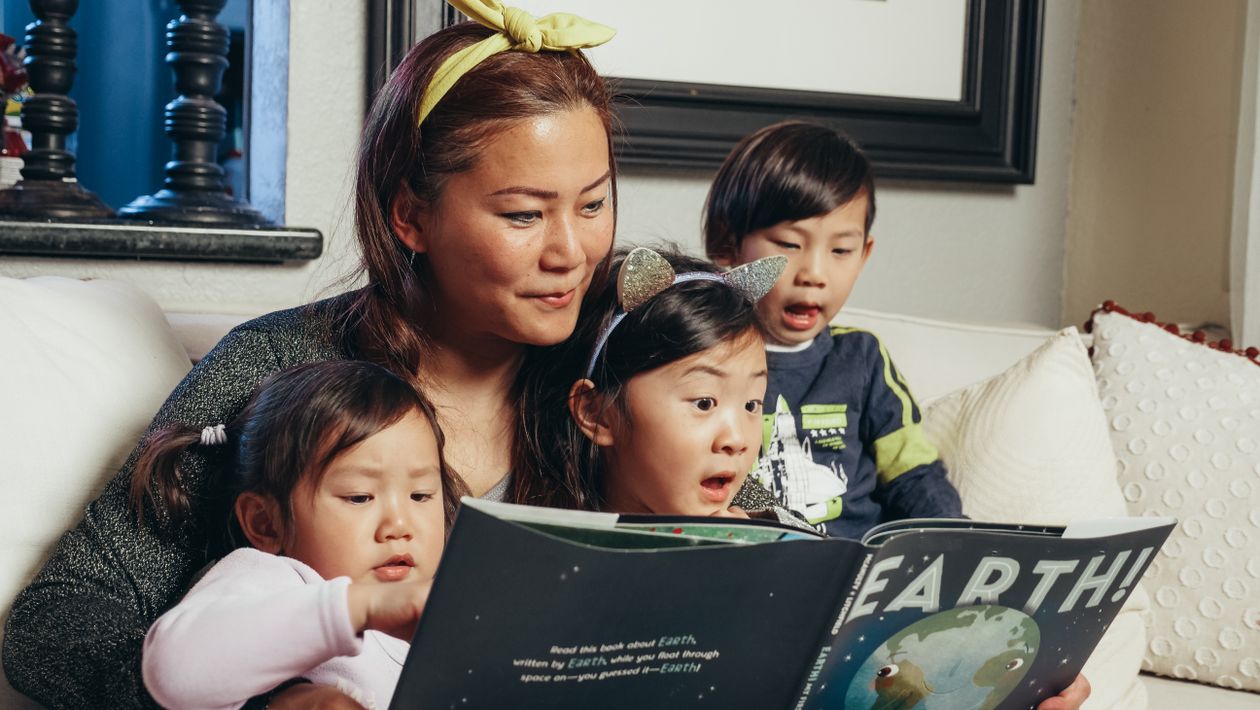
The most popular themes are also the most joyful. Holidays top the list: the beach, a camping trip, a theme park, the dog who accidentally tagged along on the adventure. The child relives the memory, but this time they are the hero of the story.
Also popular: a day at the zoo, playing in the garden, the house as a playground where the living room turns into a jungle. And the big milestones: the first day at nursery, the first day at school, unpacking boxes in a new bedroom. Moments that take some getting used to, but which already lose some of their edge when they appear in a story.

Big transitions
Beyond the cheerful highlights, there are themes around life changes that parents want to help land more gently. A very popular book is the “big brother” or “big sister” book: the toddler whose place in the family shifts with the arrival of a baby. In the story, that toddler is the hero who discovers and embraces their new role.
The same applies to moving house, starting a new school, or toilet training. In all these cases, the child is given a story in which they already manage the situation. Child psychologists call this an “advance organiser”: the child reads the ending of the story before the real situation arrives, which makes the actual transition feel a little less daunting. You can read more about how this works in the article on personalised books for big steps like potty training.
More difficult subjects
Then there are themes that take more courage for parents to choose. A child living with a chronic condition such as type 1 diabetes, who wants to understand why they are different from other children. Parents create a story in which the child is the hero who learns to manage blood sugar levels and injections, without it becoming a medical textbook.
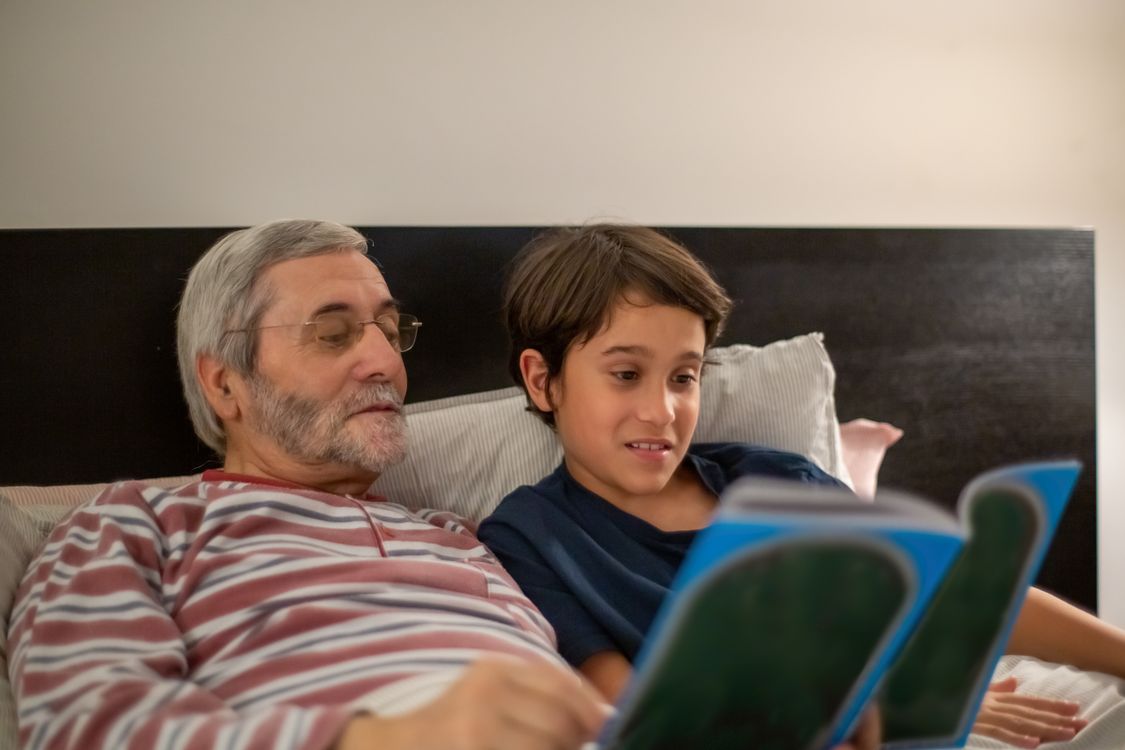
Or: a grandparent who had already passed away when a child was born, or who died before the child was old enough to form memories. A memory book in which the child “meets” that person through character traits, funny habits, and photographs. Not as a replacement for grief, but as a way to give the absence a name and pass on what was loved.
Why a personalised book can help at difficult moments
Using books to support emotional processing has a name: bibliotherapy. The concept comes from clinical psychology but has spread over the past few decades into school counselling and family support. Research by Heath and colleagues (2005), published in School Psychology International, shows that stories help children understand their own situation, view it from a safe distance, and still work through it.
The classic explanation: a child identifies with the hero of the story, experiences something like emotional release through that character, and arrives at insight. With a personalised book, this goes a step further: the child IS the hero. That gives a sense of agency and control at precisely the moments when control feels very far away.
A book also creates a “third thing” in conversations that are hard to have directly. Parents and children do not have to confront a topic head-on; they can approach it via the story. That makes difficult subjects more accessible for children who cannot yet put what they feel into words.
When a personalised book is NOT the right choice
Bibliotherapy is not a substitute for professional help. In cases of serious grief, trauma, or complex emotional difficulties, a book is a supplement to support from a child psychologist or therapist, never a replacement.
Some children simply do not want to be at the centre of the story. Shy children, or children who prefer to keep certain subjects at arm’s length, sometimes respond better to a book about a fictional character going through the same thing. In that case, a relevant title from the library is a better choice.
Age also matters: children under around eighteen months cannot follow a story well, although you can certainly read aloud to them. The personalised element lands most strongly between eighteen months and six years, when self-recognition is fully developed.
Alternatives that also work
Public libraries often have specialist collections on themes such as grief, separation, illness, and major transitions. Picture books like the “Frog” series by Max Velthuijs address emotions in a way that is accessible to young children, without the child needing to be in the leading role.
A scrapbook with photographs and handwritten notes is another option, more hands-on and tangible in a different way. Organisations such as Winston’s Wish in the UK or grief support services for children often maintain well-curated book lists for sensitive subjects.
The power is in the leading role
Whatever the theme, one thing holds true: a personalised book works because the child is the main character of their own story. Whether that story is a sunny holiday or a farewell that is hard to make sense of, the book says: your story is worth telling. That is a message children can carry with them, whatever is happening in their lives.
Read also how children see themselves reflected in books and why wanting to hear the same book over and over again is such a good sign.
👉 Create your personalised book
Sources
- Heath, M. A., Sheen, D., Leavy, D., Young, E., & Money, K. (2005). Bibliotherapy: A resource to facilitate emotional healing and growth. School Psychology International, 26(5), 563-580.