When a personalised book doesn't fit
A personalised children’s book featuring a child’s own name and photo is a wonderful surprise for most children. But it is not always the right choice. This article looks honestly at the situations where a personalised book might not be the best fit - and what works better instead.
Under 18 months: self-recognition is still developing
Classic research by Lewis and Brooks-Gunn (1979) shows that children under 18 months generally do not recognise themselves in mirrors or photos. The well-known rouge test - where a small dot of lipstick is placed on a child’s forehead without them noticing - reveals that children only begin to understand they are looking at themselves from around 18 to 24 months.
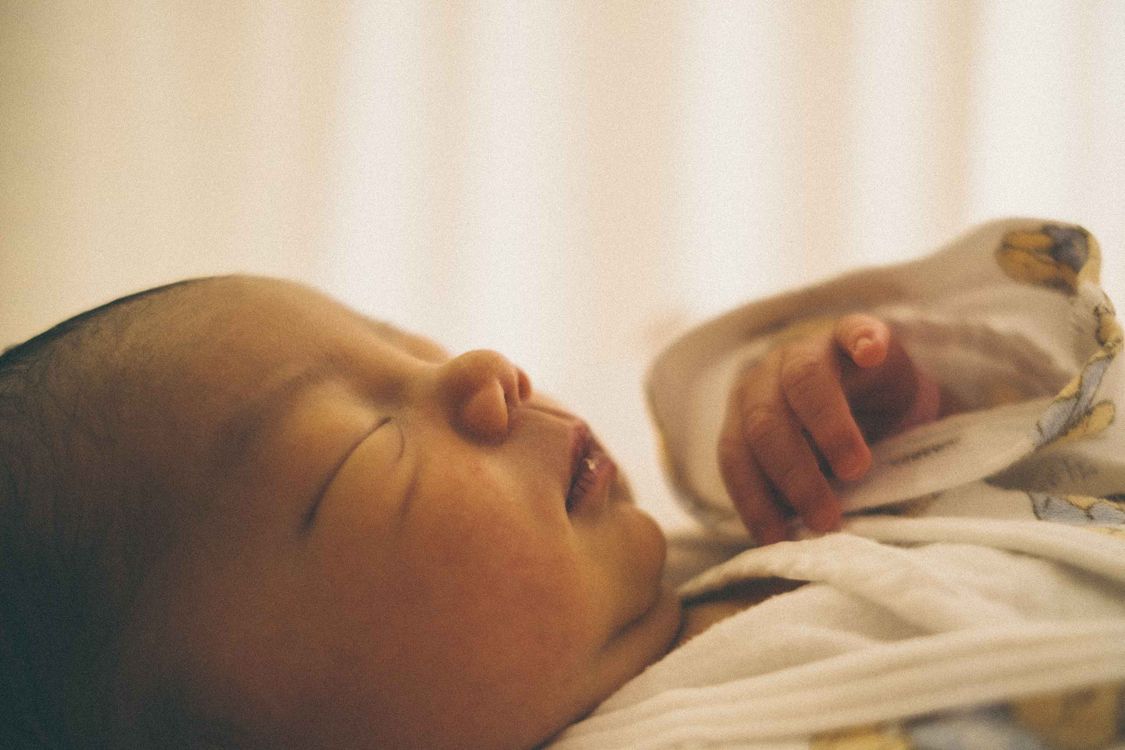
For a six-month-old baby, a book featuring their own name and face is more of a beautiful keepsake for the future than something they will fully grasp right now. The magical “that’s me!” moment works most powerfully from around age two. A personalised book can still make a lovely newborn gift to treasure - but the recognition experience that a toddler or young child has lies ahead. You can read more about the stages of name recognition in young children in a separate article.
The child who prefers not to be in the spotlight
Not every child wants to be the hero of the story. Developmental psychologist Jerome Kagan demonstrated in his research that around 15 to 20 per cent of children are naturally cautious in social situations - what he called “behavioural inhibition” (Kagan, 1984, The Nature of the Child). These are children who prefer to observe before participating, and who can feel uncomfortable when placed at the centre of attention.
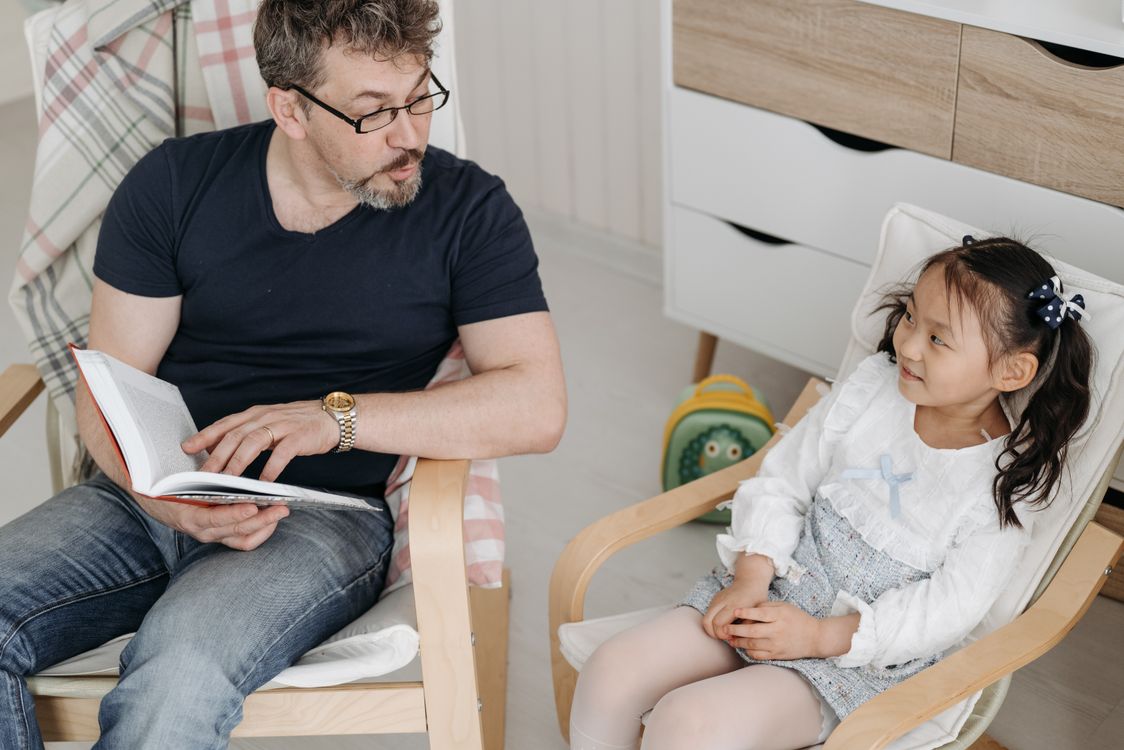
For this type of child, a book in which they are explicitly the main character can sometimes produce the opposite of the intended effect. Instead of “wow, that’s me!”, the reaction might be: “do I really have to be in there?” You know your child best. Does your child love jumping into the spotlight, or do they prefer to hang back? If being the centre of attention causes more anxiety than delight, a good classic picture book - or one with a fictional main character - is often a better fit.
This connects to a broader question about recognition and representation in children’s books, which you can explore in this article about children who rarely see themselves in books.
During bereavement or acute crisis
Bibliotherapy - the use of books to support emotional processing - is a recognised approach for helping children with grief and anxiety. But researchers such as Heath and colleagues (2005) emphasise an important distinction: sometimes what helps most is fictional distance. A character who resembles the child but is not exactly the child leaves room for feelings to be processed without the story feeling too direct.
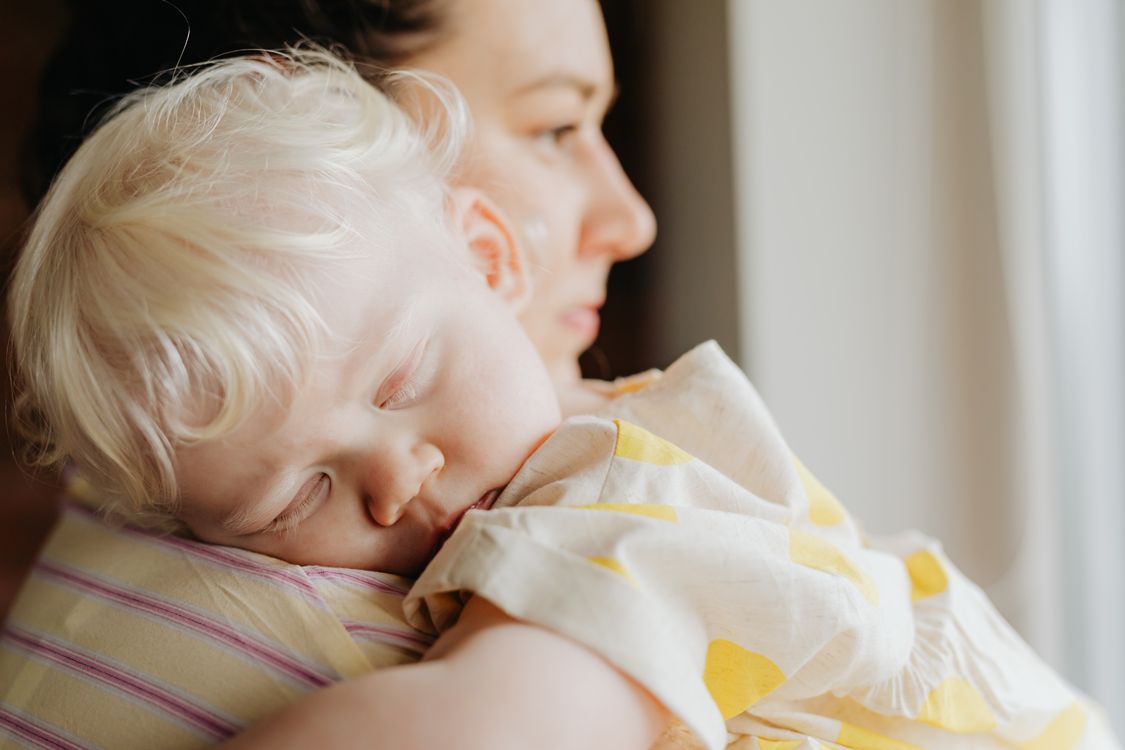
Has your child recently lost a pet, or is the family dealing with serious illness or bereavement? In that case, a story where the child themselves is the main character may feel too confrontational. Give the child time to process first. A personalised book can still earn a place on the bookshelf later - but timing genuinely matters here.
Unrealistically high expectations
A personalised children’s book is an AI-illustrated, printed-on-demand book in the price range of roughly £25 to £45. That produces wonderful results for most children - but it is not a bespoke commission from an illustrator who spent months on the project.
Edwin, the data engineer behind our AI pipeline, is honest about this: “Maintaining a consistent appearance for the main character across all pages is one of the hardest technical challenges in AI illustration. We’ve improved it significantly, but it isn’t perfect.” If you expect a book that rivals the quality of a professionally illustrated classic, you may be disappointed - regardless of which provider you choose.
Alternatives that work well
If a personalised book is not the right choice for your situation, there are good alternatives:
- A handmade photo book or scrapbook - perfect for creative parents who want to invest time. Unique, flexible and made with love.
- A timeless picture book - a classic that will accompany the child for years, suitable for every bedtime reading.
- A Wonderbly book - another provider in the personalised children’s book space, with their own styles and themes.
- A handwritten letter or self-written story - simple, personal and sometimes the most treasured gift of all.
When does it work well?
To complete the picture: a personalised children’s book works best for children between two and eight years old who love being the star of the story. Especially around milestones such as starting school, the arrival of a new sibling, a hospital stay, or as an annual birthday gift from grandparents. The combination of name recognition and “I am living this adventure!” makes the reading moment genuinely special.
Want to make that reading time even more engaging? Interactive reading with the PEER technique offers a great starting point.
Like any gift, a personalised book works best when it fits this particular child, right now. Knowing when it doesn’t fit is just as much an act of care as knowing when it is perfect.