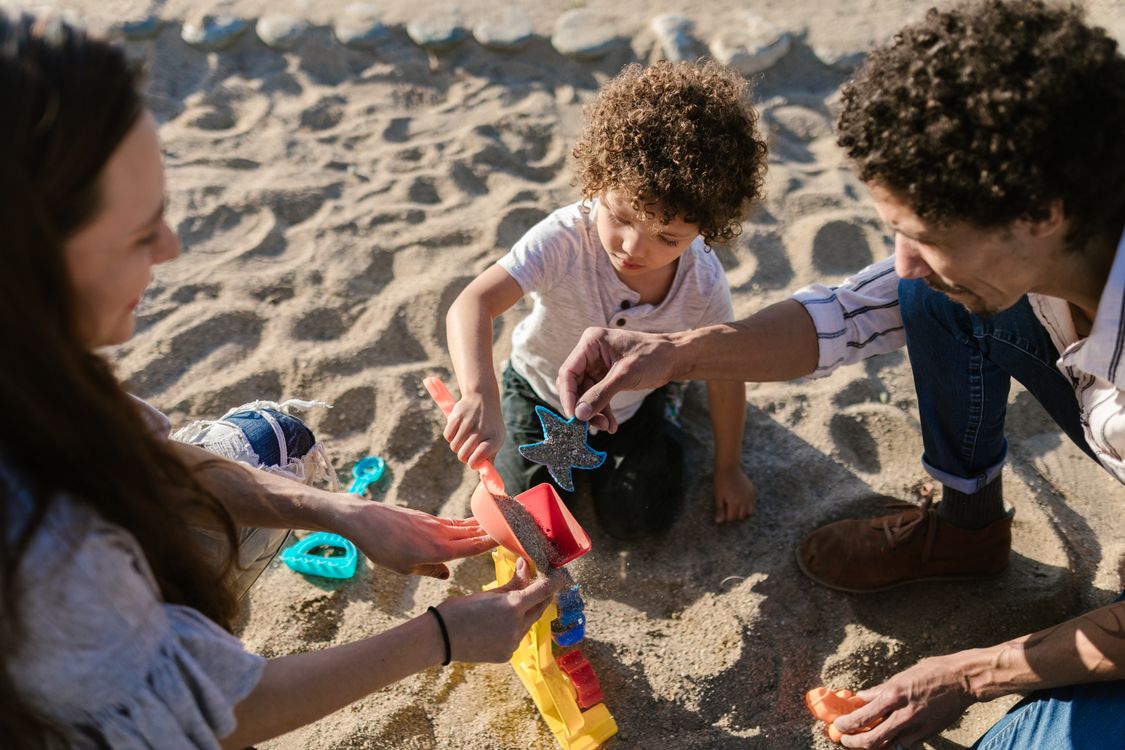
Capturing holiday memories with your child
Three weeks after the summer holiday, your child often can’t remember the name of the campsite, who that friend at the pool was, or what was so funny about that one pizzeria. Holiday memories fade remarkably fast in young children, far faster than in adults. Yet research shows that what parents do with those memories afterwards makes a surprisingly big difference: not just for what your child remembers, but for language, self-image and resilience too.
Why reminiscing is more than nostalgia
Developmental psychologists call it “elaborative reminiscing”: looking back together, in a rich and questioning way, on something your child has experienced. Roberta Fivush and colleagues summarised the evidence in a widely cited review in Child Development (2006): children of parents who reminisce in an open, elaborate way (“What did you find most exciting? And then what?”) develop a stronger autobiographical memory, better language skills and a firmer sense of “this is me, this is what I’ve lived through”.
The best proof that this is not a matter of talent: in a training study by Reese and Newcombe (2007), mothers of toddlers were taught this style of reminiscing. Over a year later, their children told measurably richer and better structured memories than the control group. Reminiscing together is a skill you can practise, and you can start today.
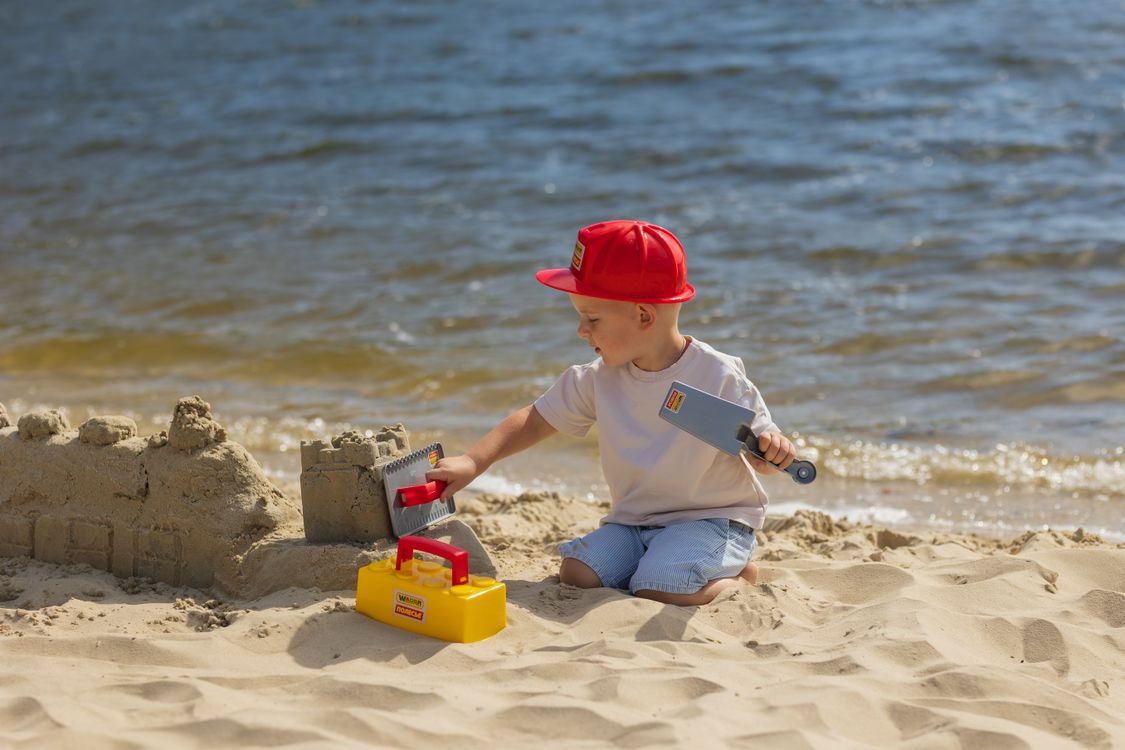
How it works in practice, with your holiday photos
You don’t need a course. These are the techniques researchers observe in “rich reminiscers”:
- Ask open questions rather than yes/no questions. Not “Was the beach nice?”, but “What did you do again when that big wave came in?”
- Follow your child, not your own script. If your child finds the ice-cream van more interesting than the Eiffel Tower, then the ice-cream van is the memory.
- Use photos as conversation starters, not as a slideshow. One photo and the question “do you remember what happened here?” beats swiping through fifty.
- Add details yourself. “Yes! And then Daddy’s cap blew into the water!” You build the story together, turn by turn.
- Make it a little ritual. At the dinner table or before bed: one “do you remember” moment a day keeps the holiday alive for weeks.
When it does not (yet) fit
Let’s be honest: below roughly two and a half, little of any single event sticks. Researchers call this infantile amnesia. Reminiscing is then mainly valuable for you as a parent, which is perfectly fine, but don’t expect your toddler to retell the holiday. Was the holiday stressful, or is your child simply not in the mood? Don’t force it. Reminiscing works because it is warm and voluntary, not because it is compulsory.
From shoebox to photo book: every form counts
For the capturing itself, you don’t need us. A shoebox with shells and ticket stubs, a classic printed photo album from a high-street service, or simply one story at the dinner table every evening: the research is about the conversation, not the medium. The best format is the one your family will actually use afterwards.
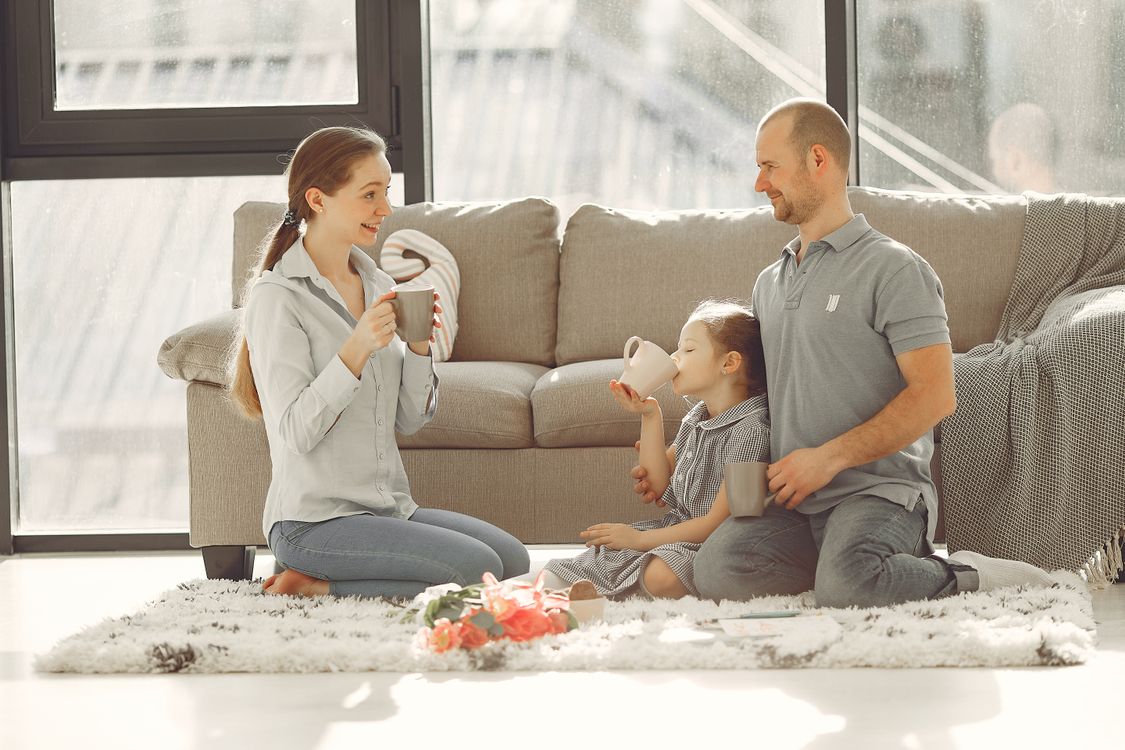
From loose photos to a story that lasts
What struck me as a father, and frankly as a data engineer too: loose photos disappear into your phone. A thousand images, zero stories. A book your child can pull off the shelf, on the other hand, gets opened again every week, and every read-aloud moment is quietly exactly the kind of reminiscing conversation described above. Technically I’ll be honest: our AI does not know what happened on your holiday. It can turn a handful of photos and your short write-up into surprisingly lovely memory scenes, but the anecdotes and the “do you remember” moment come from you. Exactly as the research says: the conversation stays yours.
That is why we at MyOwnChildbook built the free Vakantie Memories tool: upload a few holiday photos and a short write-up, and you receive a free set of AI memory images by email (once per email address). If you then want to turn it into something lasting, have a look at the holiday photo book: a personalised book in which your child plays the lead is essentially a built-in reminiscing machine for the read-aloud moment. For more travel inspiration, see our article on a personalised adventure book for the summer holidays.
The holiday ends, the story is only beginning
The holiday itself lasts two weeks. The story about it can last for years, but only if it gets told. Helping a child put their own memories into words gives them the holiday twice: once on the beach, and then again and again on the sofa.