World Book Day: the costume problem, honestly
World Book Day falls on the first Thursday in March: 4 March 2027 in the UK and Ireland. In Australia and New Zealand the equivalent is Children’s Book Week, 22 to 28 August, and in Germany it is the Welttag des Buches on 23 April. Same idea, four different weeks, so check which one your school means before you start cutting up cardboard.
The reason all of them exist is worth stating plainly. In its 2025 Annual Literacy Survey, based on 114,970 responses, the National Literacy Trust found that just 32.7% of children and young people aged 8 to 18 enjoyed reading in their free time. That is the lowest figure in the twenty years they have been asking. Only 18.7% read something daily, about half the proportion of twenty years ago.
So the dressing up is not the point. It is the bait.
What actually happens on the day
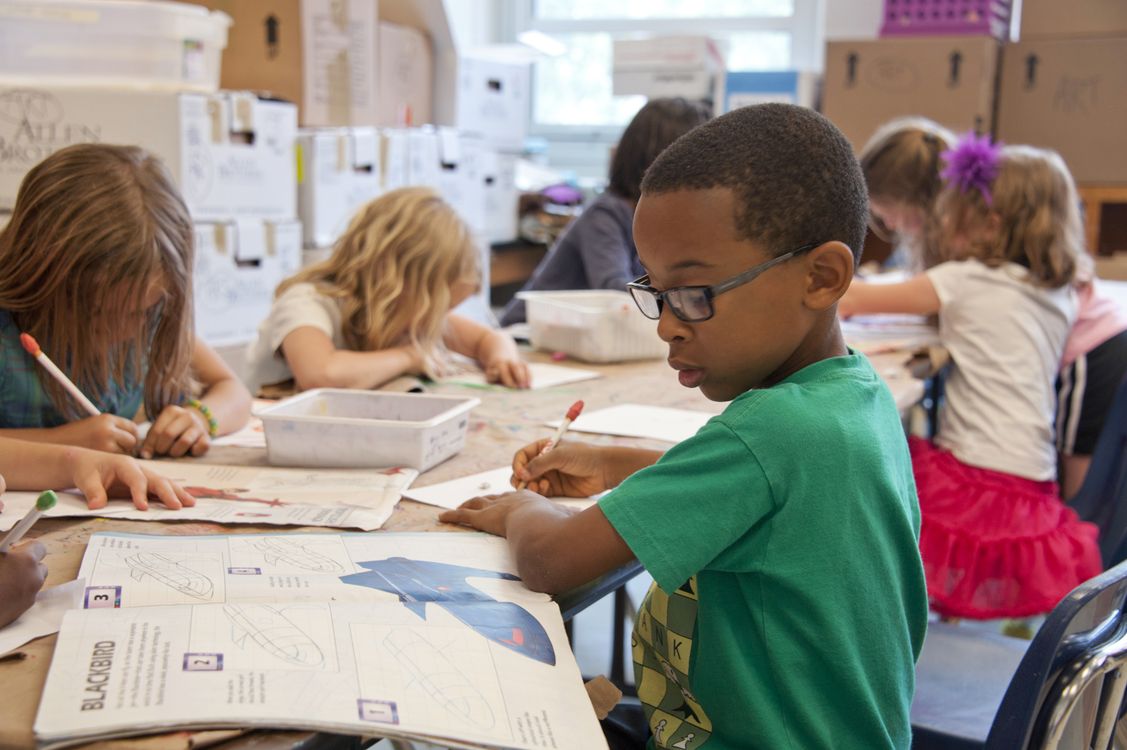
Most primary schools do some version of the same thing:
- A dress-up day, where children come as a character from a book.
- The £1 book token, which can be swapped for one of the specially published World Book Day books or put towards any book.
- Reading activities: a whole-school read, older children reading to younger ones, an author visit if the school can arrange it.
None of it requires spending money. The token exists precisely so that a book costs nothing that week.
The costume problem
Here is the honest bit. The dressing-up has drifted a long way from reading. Plenty of children turn up as a character from a film they have watched rather than a book they have read, and plenty of parents spend an evening on a costume for a day that is meant to be about stories.
Two things that help, and neither involves a shop:
Go for a character with one recognisable object. A red-and-white striped top, a pair of round glasses, a yellow raincoat. Children recognise the object, not the accuracy. A whole outfit is wasted effort.
Let the child pick from a book you have actually read together. If they can tell you one thing that character did, the costume has done its job. If they cannot, you have dressed them as a stranger.
When to skip it
Some children hate dressing up, and a day built around it is a day of dread rather than reading. Schools are usually fine with a child coming in normal clothes carrying a favourite book instead. That is worth asking about rather than forcing the issue: the point of the day is entirely lost if it ends in tears before nine in the morning.
The same goes for the token. If your child already reads plenty, you do not need to buy anything at all. Swap the token for one of the £1 books, or do not use it. Nobody is counting.
What the day is actually good for
Underneath the costumes, World Book Day does one useful thing: for twenty-four hours, reading is the normal thing that everybody is doing. That matters most for the children who do not think of themselves as readers.
If you want to make something of it, the highest-value thing is not the costume. It is reading aloud that evening, to a child who is old enough to read alone. Reading aloud tends to stop at seven or eight in most families, right at the point where children can still follow stories far beyond what they can decode themselves.

The one costume that solves itself
There is a version of this that sidesteps the whole problem, and I will be upfront that it happens to be what we make: a book in which your own child is the main character. The costume is then whatever that character wears in the illustrations, which you chose, and which your child recognises instantly. They can also tell the class exactly what the character did, because it happened to them.
That takes about half an hour to make and eight working days to arrive, so it is a plan for next year rather than the night before. If you want to see how the personalisation works, it is set out on our page about a personalised children’s book, and there are age-by-age notes on the page about a gift for a six year old.
The free alternative is better than nothing and often better full stop: the library. Ask for the shelf of books about the thing your child is currently obsessed with, and let them choose badly. Choosing badly is still choosing, and that is the part the survey says we are losing.