Children's Day in India: why a book fits
Children’s Day in India falls on 14 November, the birthday of Jawaharlal Nehru, the country’s first prime minister. Nehru was fond enough of children, and they of him, that he is still widely called Chacha Nehru.
The day did not start as a celebration. In 1951 V.M. Kulkarni, a United Nations Social Welfare Fellow studying juvenile rehabilitation in the UK, noticed that India had little in place for underprivileged children. Taking England’s Flag Day as a model, he proposed using Nehru’s birthday to raise funds for child welfare organisations. Nehru was reportedly embarrassed by the idea and agreed only after some persuasion. By 1954 more than 50,000 schoolchildren attended the celebrations at the National Stadium in Delhi, and in 1957 the government formally declared 14 November as Children’s Day.
That origin still shapes the day. It is about what children are owed, not only about treating them.
What happens on the day
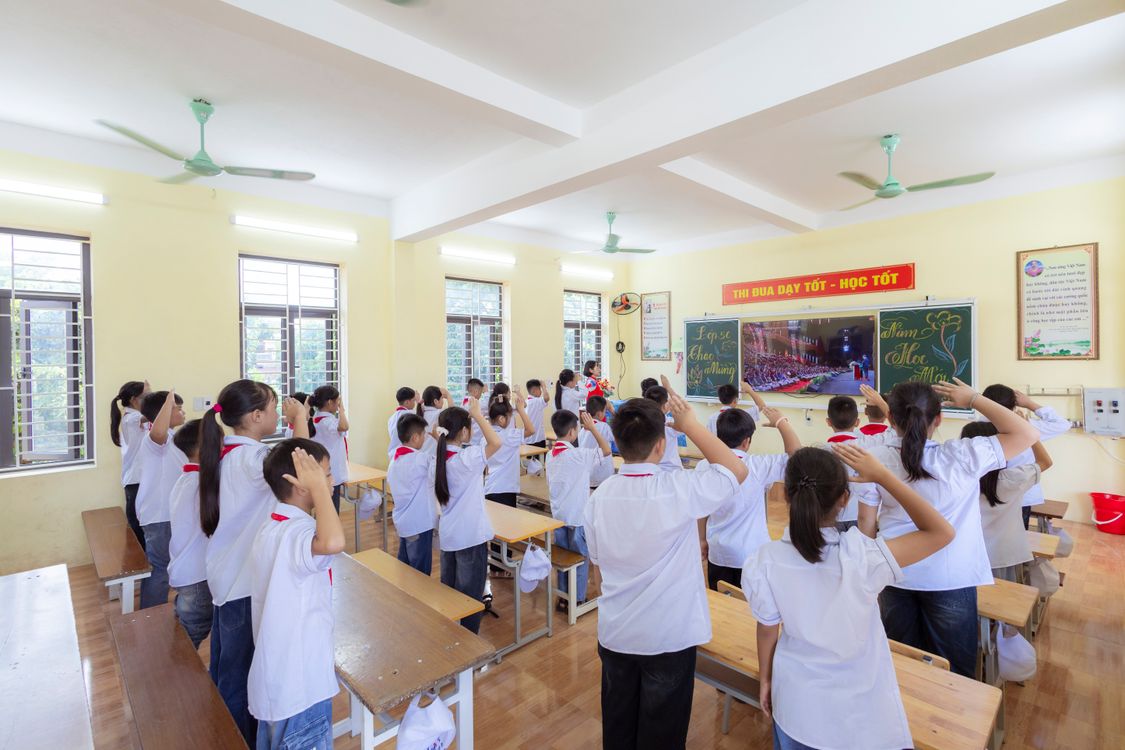
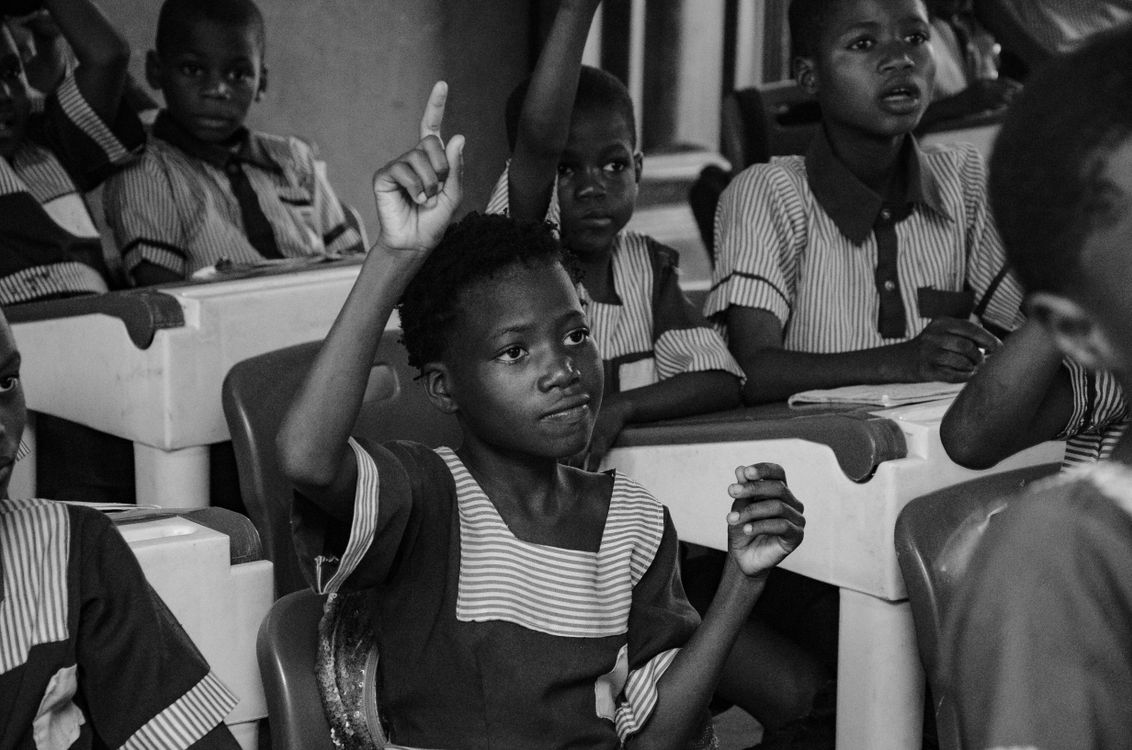
It varies more than people outside India expect. Some schools close entirely, some run a fair, and many hold the day’s programme in reverse: teachers perform for the students rather than the other way round.
Common elements:
- Competitions and performances: music, dance, fancy dress, drawing.
- Teachers giving books to their class, which is where the day differs from most gift occasions.
- Sweets and small gifts, distributed at school rather than at home.
- Donation drives, with clothes, toys and books collected for children’s homes. This is the part closest to Kulkarni’s original idea.
Notice what is not on that list: it is not primarily a day when parents buy their own child a present. That is worth knowing before you plan around it.
Why books, specifically
Most gift days have a default object, and it is rarely a book. On Children’s Day it often is, partly because schools are the centre of the day and partly because the day carries an educational framing from the start.
That gives a book something it does not usually have as a gift: it does not need justifying. Nobody has to explain why a book rather than a toy.
Choosing one that gets read
The trap with an occasion that favours books is that the child ends up with something worthy rather than something they want. A few things that help:
Let them recognise something. Children stay with stories where they see themselves. A child in Pune reading only about children in London gets a smaller share of that recognition than they should.
Match the reading level to comfort, not ambition. A book one notch below what a child can technically manage is the one that gets finished. The stretch can wait.
English or a mother tongue is not either-or. Many Indian families read in two languages at home, and a book in the language a grandparent speaks does something a school reader cannot. We wrote about that in our piece on a gift for family abroad in their mother tongue.
When a book is the wrong gift
If a child is already reading well and enjoys it, another book is pleasant but not memorable. And if a child associates reading with school pressure, a book on a day about children can land as more homework.
There is also the donation angle. If you would otherwise buy a third book for a child who has plenty, giving to a school or children’s home collection is closer to what the day was created for. That is not a lesser option, it is the original one.
The version we make
Since it is a day about children being seen, a book in which the child is literally the main character does something an off-the-shelf title cannot: their name runs through the story and, if you upload a photo, the illustrations resemble them. That works particularly well for the naming and recognition side of Indian family life, which is also why our post on the namkaran naming ceremony resonated with readers in India.
Practical notes if you want one for 14 November: it takes about half an hour to make and eight working days to arrive, so order by the start of November. How the personalisation works is set out on the page about a personalised children’s book, and there are age-specific notes on the gift for a five year old page.
And the honest alternative, which costs nothing: ask the child to pick a book themselves at the school fair, and read the first chapter aloud that evening. On a day built around children being listened to, that is not a lesser gift.